
Ureteral Cancer
Understanding Ureteral Cancer
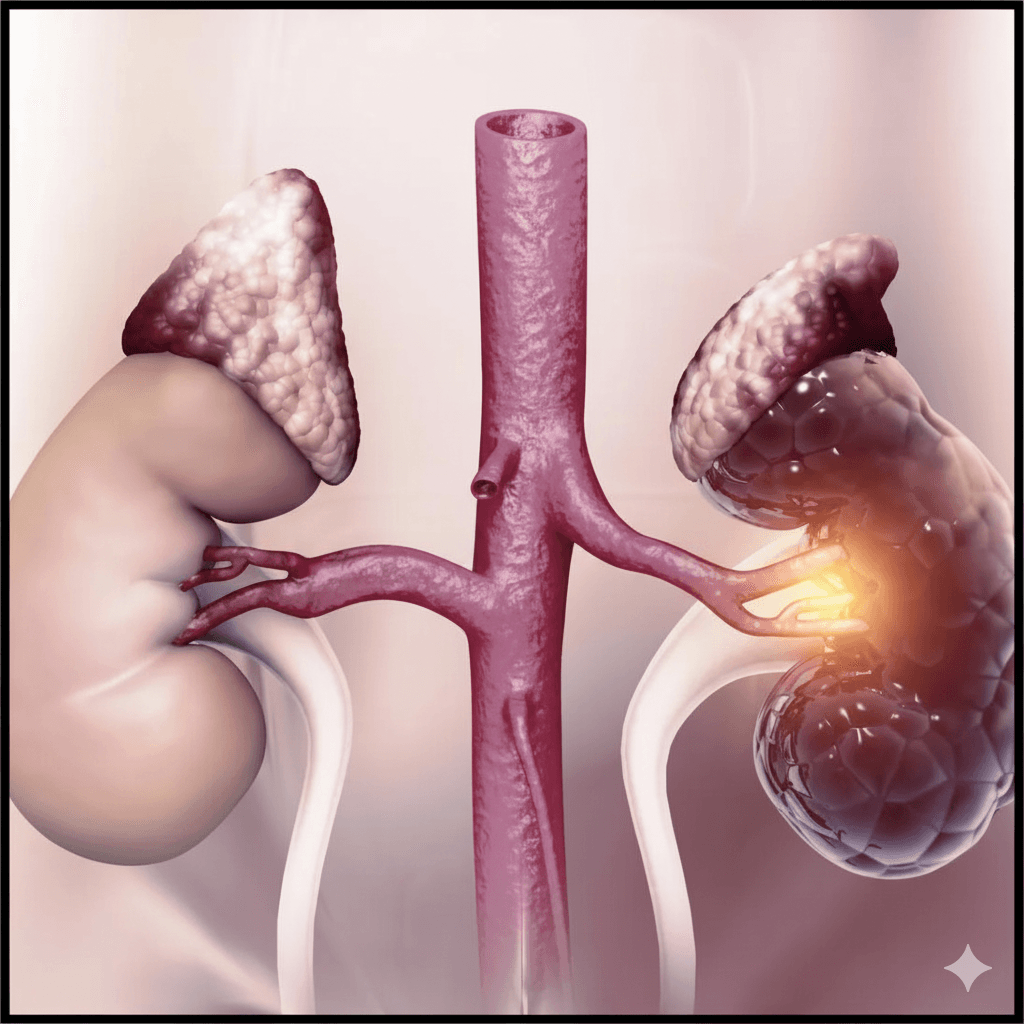
Ureteral cancer starts in the thin tubes (ureters) that carry urine from the kidneys to the bladder. These tubes are lined with the same type of cells found in the bladder, which means similar cancers can develop in both areas. Because the ureters are narrow, even small growths can affect urine flow. Early assessment and updated imaging techniques help detect ureteral cancers precisely, enabling targeted treatment and faster recovery.
Early Warning Signs
Ureteral cancer often shows up through symptoms that feel worrying but unclear. Many patients say the first signs were small changes they almost ignored.
Common early signs include:
- Blood in the urine, which may appear suddenly or intermittently.
- A persistent dull ache in the back or side, often mistaken for muscle strain.
- Recurrent urinary infections or burning sensations.
- Episodes of urine flow blockage, causing discomfort or pressure.
If you notice these changes, even occasionally, it’s worth speaking to a specialist for clarity and reassurance.
Causes & Risk Factors
Smoking, chronic inflammation, occupational chemicals, and prior bladder cancer are major risk factors.
Diagnosis
Diagnosis uses CT urography, ureteroscopy, and biopsy. These help determine tumor location, grade, and whether it has spread.
Treatment
Small tumors may be removed endoscopically. Larger or more aggressive tumors may require robotic segmental ureterectomy or robotic nephroureterectomy. Minimally invasive procedures help preserve kidney function when possible.
Recovery & Life After Treatment
Patients recover quickly with robotic surgery. Long-term monitoring is essential since recurrence can occur elsewhere in the urinary tract.