
Bladder Cancer
Understanding Bladder Cancer
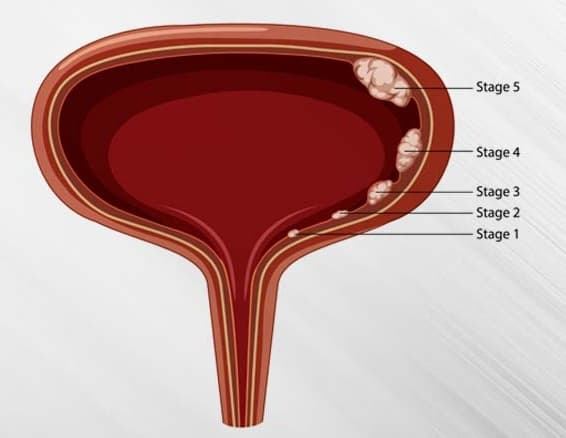
Bladder cancer develops in the cells lining the inside of the bladder, where urine is stored. These lining cells are constantly exposed to waste materials filtered by the kidneys, making them more prone to changes over time. Bladder cancer ranges from superficial forms that stay on the surface to deeper types requiring more advanced treatment. With proper evaluation and a structured treatment plan, most patients achieve excellent control and long-term stability.
Early Warning Signs
Bladder cancer often begins with symptoms that feel worrying or confusing. Many patients describe the early signs as something they “didn’t want to overthink,” which is completely understandable.
Common early signs include:
- Blood in urine — either visible or detected during a test — even once.
- A sudden change in urinary pattern: more frequent trips, urgency, or a burning feeling.
- A constant sense that the bladder isn’t fully empty.
- Pelvic discomfort or a mild heaviness that comes and goes.
If you notice these changes, you’re not alone. They can be stressful, but are highly treatable when addressed early.
Causes & Risk Factors
Smoking, chronic bladder irritation, certain dyes/chemicals, and older age increase risk. Men are more commonly affected than women.
Diagnosis
Evaluation includes urine cytology, cystoscopy (direct visualization of the bladder), and CT urography. A biopsy confirms whether the tumor is superficial or muscle-invasive.
Treatment
Early-stage cancers are treated with endoscopic tumor removal plus medications placed inside the bladder. Advanced disease may require robotic radical cystectomy, partial bladder preservation, or reconstruction to restore normal urinary flow.
Recovery & Life After Treatment
Most patients recover quickly after minimally invasive procedures. After bladder removal, urinary diversion or neobladder reconstruction enables a normal lifestyle. Lifelong follow-up is essential to detect recurrence early.