
Adrenal Cancer
Understanding Adrenal Cancer
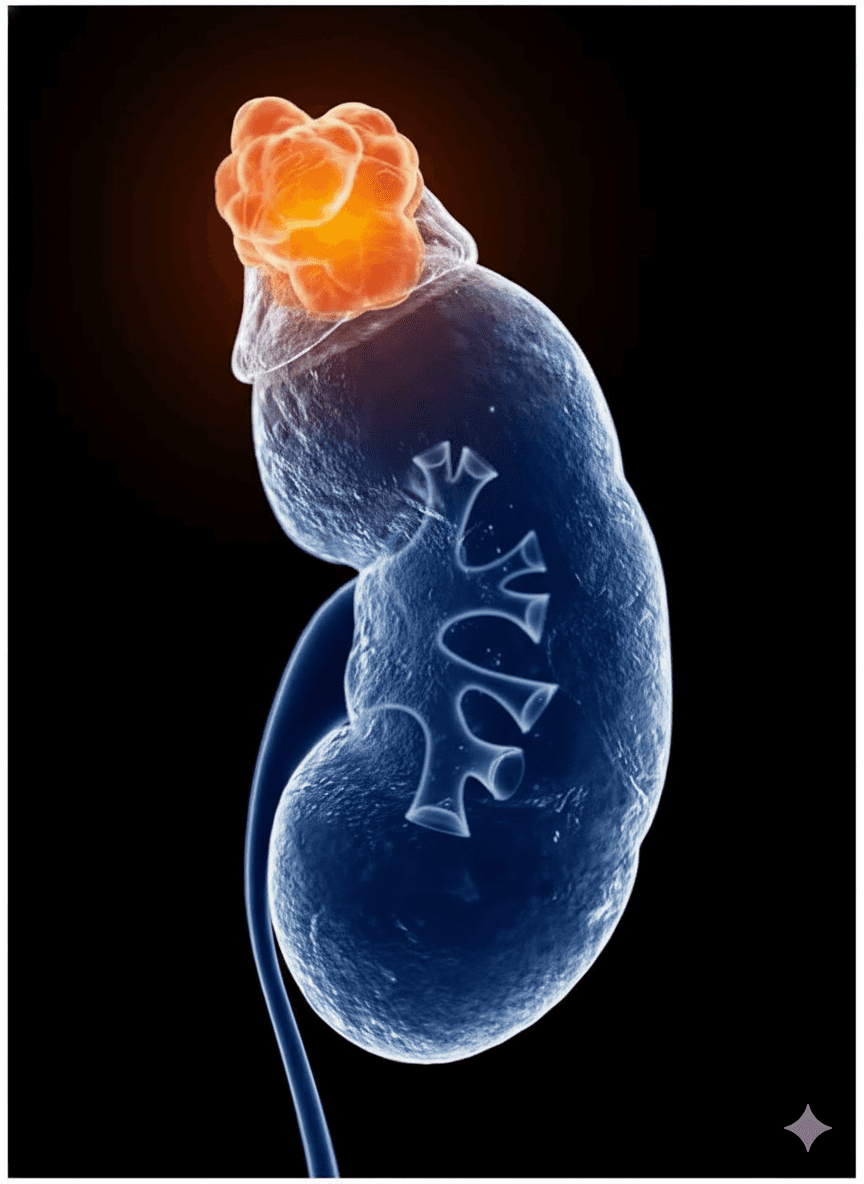
Adrenal cancer develops in the adrenal glands, small organs located above each kidney that produce hormones essential for stress response, metabolism, and blood pressure. These tumors can sometimes create excess hormones, leading to noticeable body changes, while others grow quietly. Though rare, adrenal cancers can be effectively treated with modern surgical techniques. With expert evaluation, patients receive clear guidance and treatment designed for long-term hormonal and physical balance.
Early Warning Signs
Adrenal tumors often cause hormonal changes that can feel confusing or hard to explain. Many patients describe these symptoms as “not feeling like myself.”
Look for:
- Unexplained high blood pressure that is difficult to control.
- Rapid weight changes, swelling, or facial puffiness.
- Feeling unusually anxious, irritable, or weak without clear reason.
- Muscle weakness, fatigue, or changes in energy levels.
- Irregular periods or hormonal changes in women; testicular changes in men.
These symptoms can be caused by many conditions — early evaluation simply provides peace of mind and clear answers.
Causes & Risk Factors
Genetic syndromes, long-term hormone imbalance, and certain inherited conditions increase risk. Many cases occur spontaneously without a known cause.
Diagnosis
Evaluation includes hormone blood tests, 24-hour urine analysis, CT/MRI, and sometimes PET scans. These tests determine tumor size, activity, and spread.
Treatment
Robotic adrenalectomy is the preferred method for safely removing adrenal tumors. The precision of robotic surgery helps avoid injury to nearby organs and reduces hormonal fluctuations.
Recovery & Life After Treatment
Most patients go home in 1–2 days and return to normal activities shortly after. Long-term hormone monitoring ensures the body maintains balanced adrenal function.